Flower or vape cartridges: cost per dose compared
The question of how to calculate the cost per dose of cannabis flower vs. vape cartridges has a simple core: convert the package price into the cost of one serving or session. Flower is usually measured by usable weight; cartridges are better compared by THC per draw, with the device’s actual yield considered.
Australian patients should compare legal medicinal products sold by licensed local dispensaries, not overseas checkout prices. Medicare generally does not subsidise medicinal cannabis, so every gram, cartridge, consultation and delivery fee can affect treatment budgets, especially for daily use in Sydney, Melbourne or Brisbane.
Set up a like-for-like comparison
Cost per dose equals the package price divided by the number of doses. For flower, the number of doses is usable grams divided by grams per serving. For cartridges, use either labelled THC divided by THC per session, or oil weight divided by oil used per session. Work in Australian dollars and record the purchase date.
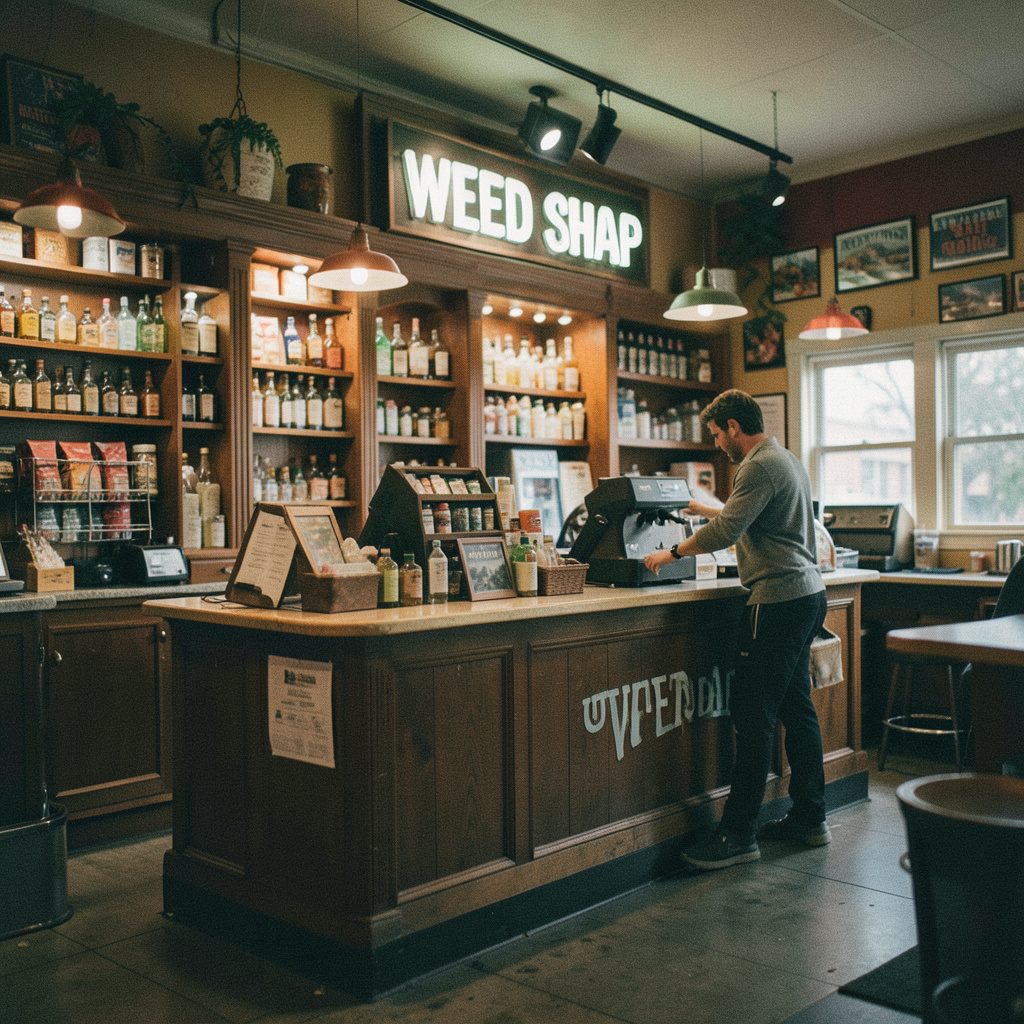
Use the product label and batch test, not the strain name. Record net weight, THC percentage, total THC, cartridge capacity and the full checkout price. A US storefront such as Legendary Weed Shop can illustrate how retailers present package pricing and lab testing, but its US prices and shipping thresholds are not Australian quotes or evidence that international delivery is lawful.
Work out the flower cost per dose
For flower, the number of doses is usable grams divided by grams per serving. If a 10g bag contains stems or crumbs that will not be used, weigh the usable amount or apply a conservative wastage allowance rather than treating all 10g as available.
Assume flower costs A$90 for 10g at 20% THC. A 0.5g serving costs A$4.50 and contains 100mg THC at label strength, producing a labelled cost of A$0.045 per mg. A 0.25g serving costs A$2.25. If only 9g is realistically usable, there are 18 half-gram servings and the effective cost becomes A$5 each.
These figures remain theoretical because trimming, evaporation and differences between batches can change the usable amount. For daily medication, this flower versus concentrate comparison explains why preparation, consistency and waste often matter alongside the sticker price.
Work out the cartridge cost per dose
For cartridges, the number of sessions is labelled THC divided by the THC actually inhaled per session. If reliable inhalation data are unavailable, compare cost per labelled milligram first, then record what a short session delivers; claiming that every cartridge provides a fixed number of puffs can be misleading.
Suppose a 0.5g cartridge costs A$70 and contains 70% THC, giving 350mg THC in total. Its labelled cost is A$0.20 per mg. At 10mg per session, the theoretical cost is A$2 per session. If a session averages 15mg, the cartridge provides about 23 theoretical sessions at roughly A$3 each.
Cartridges reduce preparation and cleanup, but they add device costs, battery replacement and uncertainty about extraction. Include a separate estimate for hardware if it will not outlast the cartridge. For CBD-dominant products, perform the calculation using CBD rather than THC, since THC alone can give a distorted comparison.
Compare realistic medication budgets
Put both products on the same basis. In the examples above, flower has a labelled cost of A$0.045 per mg of THC and the cartridge costs A$0.20 per mg. Those figures do not mean their effects are interchangeable: inhaled and smoked THC can differ in onset and duration, while a cartridge session may last longer than a small serving of flower. Calculate each expense according to the prescribed dose rather than assuming a cartridge always represents better value.
Include consumables and delivery in the total ownership cost. A grinder, papers, filters, batteries and chargers may make flower cheaper initially but add up with regular use. Similarly, a higher-priced cartridge can be economical if it avoids repeated replacement of hardware or reduces the number of spoiled servings. Discounts should change the invoice rather than the dose: an entertainment reward such as a free Dragon Pokies offer has no bearing on medication cost unless it genuinely lowers the amount paid for the cannabis product.
Account for Australian access and privacy
In Australia, medicinal cannabis generally requires assessment by an authorised prescriber and a valid script, followed by purchase through a pharmacy or licensed dispensary under state or territory rules. There is no legal national recreational market, although possession and personal-use laws differ across jurisdictions, including decriminalisation in the ACT. International purchases should not be treated as an alternative to local pathways because cannabis import is tightly restricted.
Shopping habits also affect the final amount. Sydney, Melbourne and Brisbane each have licensed dispensaries offering different combinations of online ordering, click-and-collect and courier delivery, subject to state rules and service areas. Delivery charges, consultations and repeat-prescription fees belong in the budget when comparing a one-off bag with a cartridge intended for several weeks.
Storage and odour control are especially relevant in shared flats, apartments and houses with visiting family. A guide to discreet home accessories can help with lawful storage and preparation, while sealed containers reduce odours and accidental access. Local public-vaping restrictions and driving laws remain important: cost per dose is useful only when the product is used according to its prescription, label and local legislation.