Understanding the entourage effect and whole-plant cannabis
The entourage effect is the idea that a cannabis preparation may produce different effects when its cannabinoids, terpenes and other plant compounds act together rather than one isolated molecule acting alone. This is why flower, hash, resin and some full-spectrum oils are often discussed alongside THC- or CBD-dominant alternatives. It is a comparison framework, not proof that every whole-plant product is superior.
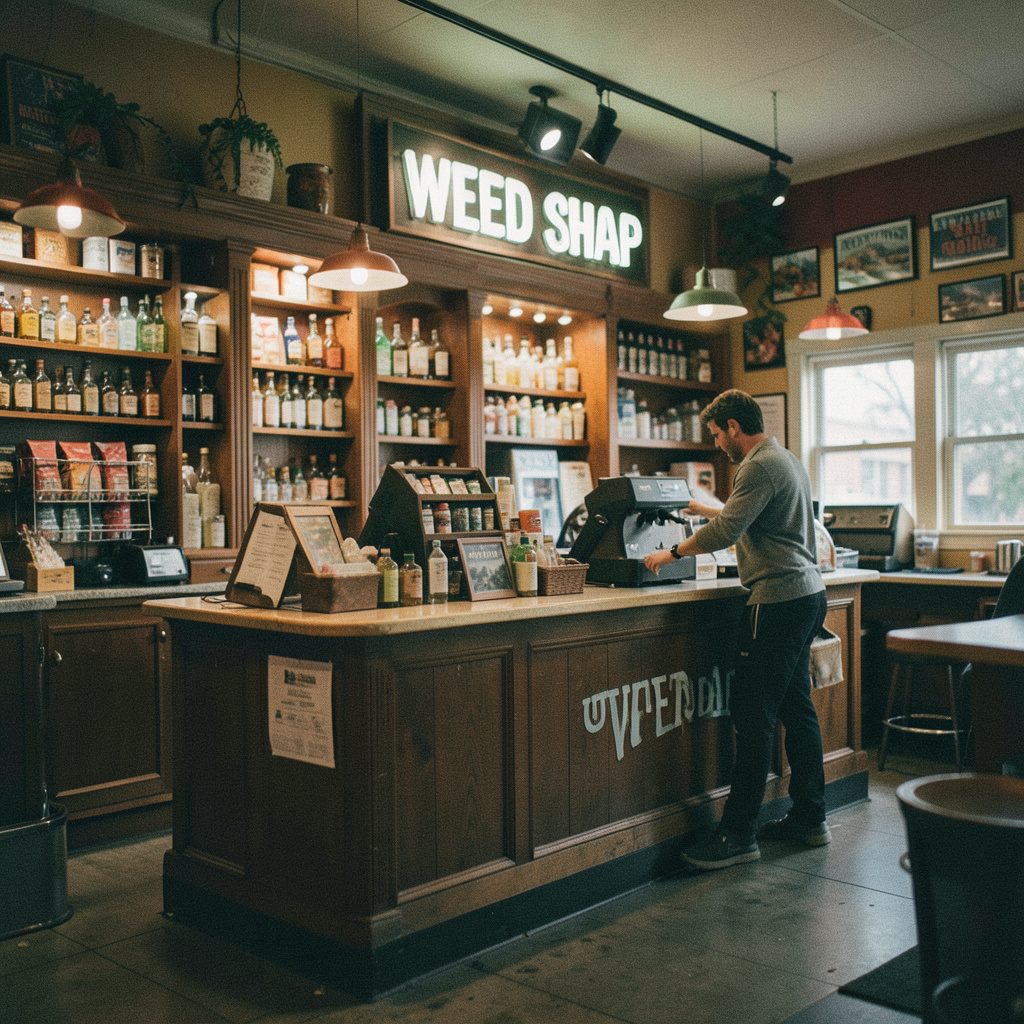
For Australians, product education and legal access are separate issues. Medicinal cannabis generally requires an authorised prescription and a TGA-approved product, and there is no nationwide legal recreational market. Although Legendary Weed Shop is California-based and serves patients in the United States, its catalogue can illustrate available formats, but its delivery services are not an Australian supply pathway.
What the entourage effect means
Phytocannabinoids such as THC, CBD, CBN and CBG, plus volatile terpenes like limonene, myrcene and pinene, may influence receptor activity, absorption, mood and the perceived character of a high. Some cannabinoid combinations interact, while others do not. Human clinical evidence remains limited, and effects vary with dose, route, tolerance and the individual, making broad claims about synergy difficult to defend.
Readers can use the cannabis blog for general orientation, but should look for peer-reviewed studies and regulator information when making medical decisions. A richer formula may add effects or unwanted intensity rather than reliably improving them.
Why whole-plant products differ
Whole-plant describes a product made from more than one part or class of cannabis compounds. Flower and properly prepared pre-rolls retain a plant’s natural cannabinoid and terpene profile; hash and resin capture concentrated trichome material; full-spectrum oils retain several cannabinoids and some terpenes. Broad-spectrum products remove THC but keep multiple other compounds, whereas a CBD isolate contains CBD alone.
Natural does not mean uniform or harmless. Plant material can vary between harvests, and some terpenes irritate sensitive airways. For background on the retailer’s lab-testing approach, patient guidance and mobile doctor recommendation service, see About Legendary Weed Shop. Those services concern eligible patients in its US market, not Australian prescribing or import rules.
Comparing cannabis product formats
Format changes how compounds are delivered. Dried flower may offer a broader profile because the plant matrix remains intact, while a pre-roll may contain flower, concentrate or both. Vape cartridges and oils can range from broad-spectrum to THC-only distillate, so the label matters more than words such as whole-plant or premium on a storefront.
No format can be selected solely by compound count. A product containing THC, CBD and several terpenes may still be unsuitable for someone seeking minimal intoxication. Consider the intended medical goal, prescribed dose, onset and duration, then ask the supplier or clinician to identify the extraction method and omitted ingredients.
Navigating Australia’s medicinal cannabis market
Australia’s medicinal market is nationally regulated, while access arrangements differ across Sydney, Melbourne, Brisbane, Perth and Adelaide. Most patients obtain cannabis through an authorised practitioner and a TGA-listed medicinal product; the Sights of Use pathway remains relevant for eligible patients seeking to grow a plant or nominate a household member. Licensed dispensaries and local couriers may serve major cities, but a physical address does not change the prescription rules.
Customs is a hard boundary. Importing cannabis products from overseas is generally prohibited unless the importer holds a valid TGA personal-use permit. International mail or courier purchases from a US store should not be treated as lawful Australian delivery. The site’s advertised two-to-three-day shipping and free shipping on orders over $200 are US service claims, not an import pathway.
Instead, use Australian products with compliant medicinal-cannabis labels, clear batch identification and accessible batch-specific laboratory results. A local product may still contain THC and cause impairment, so secure, discreet packaging and lawful supply matter for patients who travel, work or share a home.
Checking quality when buying online
Batch testing should answer specific questions: identity, total THC and CBD, uncertainty in the result, pesticides, microbes, heavy metals and residual solvents. Terpene reporting is useful but does not replace contaminant testing. If a certificate names a laboratory but no batch number, ask for the document that actually matches the sealed package.
Those consumer safeguards also apply outside cannabis: an unfamiliar football shirt retailer would still need clear product details, contact information and delivery terms. For cannabis purchases, medical status and local law come first, and a polished website alone is not evidence of quality.
A practical whole-plant selection checklist
A simple checklist can make whole-plant choices more precise:
- Confirm that the product appears on TGA’s list of approved medicinal cannabis products and comes through a lawful Australian pathway.
- Match the product to your prescription or clinician’s directions rather than selecting it by a marketing term.
- Request the batch-specific certificate of analysis and compare potency with contaminant results.
- Check whether the extract retains THC, CBD, minor cannabinoids and terpenes, or is narrower than implied.
- Consider non-inhaled options and known sensitivities, because additional compounds can increase effects.
- Ask about storage, expiry, child-resistant packaging and discreet delivery before ordering.
Whole-plant cannabis offers a broader chemical story, not an automatic advantage. The best choice is the lawful, accurately labelled product that fits the medical goal and can be traced to its batch.