Discreet cannabis packaging and its environmental impact
Discreet packaging protects privacy by hiding product names and logos from neighbours, couriers and bystanders. Assessing the environmental impact of discreet packaging requires looking beyond the plain outer layer: a modest box can still contain plastic, foam or duplicate layers. Compactness and recyclability matter more than anonymity alone.
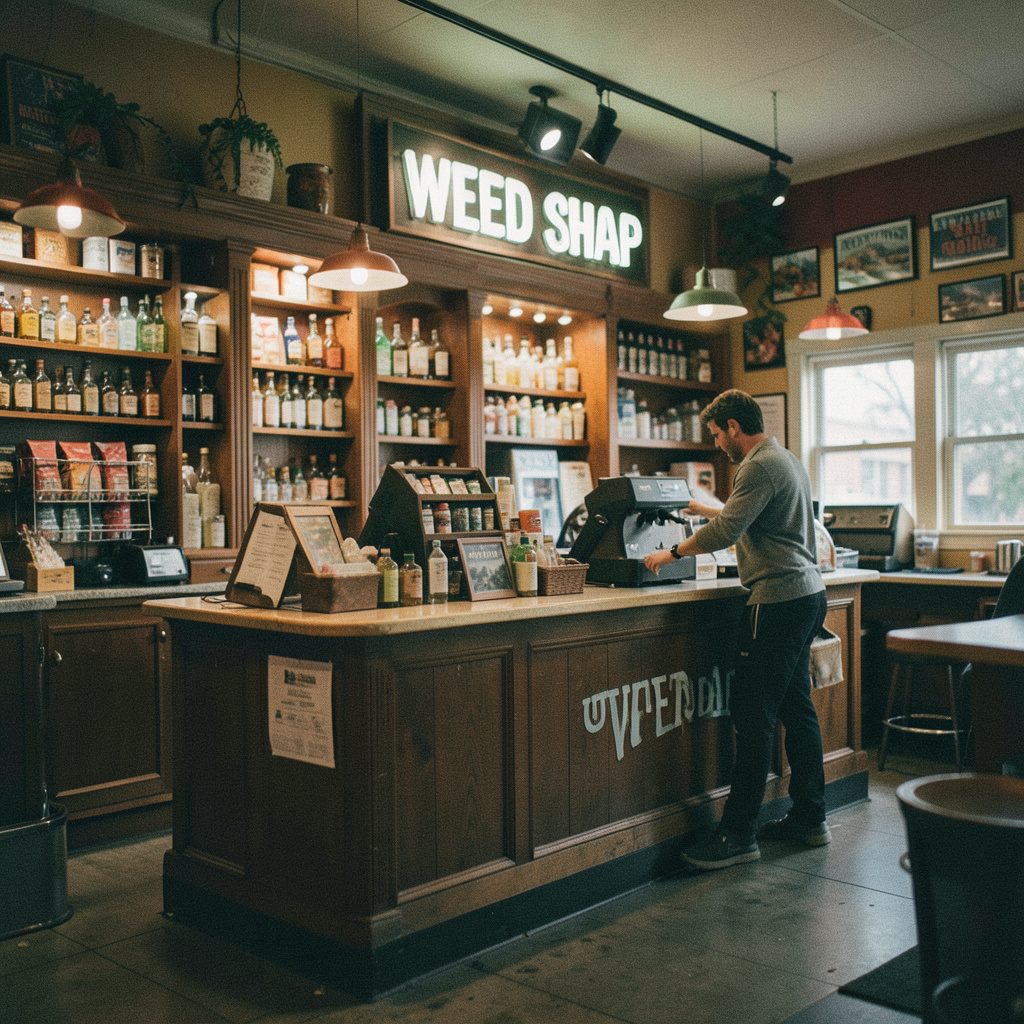
For Australian readers, the store’s US focus matters. The California-based company delivers across the United States, not Australia. It highlights lab testing, discreet packaging, two-to-three-day delivery and free shipping on orders over $200. Those services should not be read as Australian shipping availability.
Environmental performance should be judged by total materials, freight, reuse and recovery. Plain kraft cardboard may be readily recyclable in Australia, while a durable plastic mailer can be light but difficult to process. Privacy and waste reduction can align, yet they remain separate qualities.
Australian access also depends on law. Medicinal cannabis generally requires an authorised prescriber and lawful dispensing pathway; a US recommendation does not authorise import or possession locally. The store’s Australian relevance is educational rather than transactional.
What discreet packaging actually changes
Discreet packaging usually means an unmarked outer box, generic courier label and sealed inner containers. These limit exposure and tampering without requiring another branded carton. Child-resistant or tamper-evident components may still be required by cannabis rules.
The fair comparison is the total packaging for one usable order. A right-sized corrugated box with paper cushioning can beat a plastic tub inside a rigid parcel. A compact mailer full of foam and inserts may still carry a high impact, so recyclability claims need checking against local facilities.
Following Australian recycling habits
Australian habits shape the result. Brisbane households commonly flatten cardboard into the yellow recycling bin, while Sydney residents should check whether their local stream accepts soft plastics. Melbourne’s collections can change, so residents should confirm whether a dedicated film service is operating before using it.
Adelaide and Perth councils provide separate recycling and general-waste services; residents can check council-listed drop-off facilities for bulk packaging. A clean paper label can enter paper recycling, while a plastic window, foil lining, wax coating or adhesive residue may prevent the whole item being accepted.
What the store states and what remains unverified
The Legendary Weed Shop states that products are discreetly packaged, but its core published highlights do not specify a recycled-content percentage, compostability certification, take-back scheme or carbon-offset claim. Lab testing addresses product purity and safety, not the footprint of the carton or mailer.
Useful evidence for a lower-impact packaging claim would include a material breakdown, certification numbers, tape and label composition, and disposal instructions naming Australian collection streams. Recyclable packaging helps only when the local council accepts it. Until then, discretion is a verified privacy feature rather than a verified environmental one.
Delivery speed and hidden carbon costs
Delivery adds vehicle distance, air travel and sorting energy. A two-to-three-day service is not automatically high-impact if parcels travel by ground from nearby fulfilment centres. Store claims alone do not reveal origin points, carrier modes or whether separate orders are consolidated.
The store’s cashback and scratch-card guide covers rewards. For waste reduction, ordering only what is needed and combining eligible items into one shipment is preferable to using separate offers to create multiple deliveries. Free shipping above $200 may aid consolidation, although buying excess simply to cross the threshold adds material and freight.
Australian law and cross-border expectations
Australia’s medicinal cannabis market operates under state and territory rules. People generally need an authorised prescriber and lawful dispensing channel. The store’s mobile doctor recommendation assistance is framed for its US audience; an overseas consultation does not authorise Australian possession, and recreational cannabis remains illegal nationally.
Private cultivation is also tightly restricted, and legal industrial hemp is not a loophole for high-THC plants. Cultivation references such as ESPanet Plus can explain production issues, but cannot override local legislation. Australians should verify licensing, prescription and import rules with official health or regulatory sources.
Product format and packaging complexity
Formats create different packaging loads. Cartridges may arrive in a rigid container with a cap, insert and outer carton; pre-rolls may combine a tube, wrap and shipper. The store’s guide to choosing cartridges and pre-rolls compares use occasions, while packaging adds another dimension to the choice.
Flower may use a resealable pouch, tin or jar, while concentrates often use sealed glass jars with child-resistant closures. These have different reuse and recovery outcomes. A glass cartridge needs careful handling, and any separate battery raises e-waste concerns. Avoiding duplicate containers, inserts and boxes can help, although choosing one format alone is no guarantee of a lighter order.
Lower-impact ordering recommendations
These recommendations focus on actions supported by packaging and delivery evidence:
- Combine eligible items into one delivery, using free shipping only for items genuinely needed.
- Prefer right-sized cardboard or moulded-pulp protection without unnecessary outer boxes.
- Check material labels against current council guidance before recycling or reusing packaging.
- Reuse outer cartons where practical; otherwise flatten clean cardboard for household recycling.
- Separate soft film, rigid plastic, foil and batteries for appropriate local recovery.
- Order only the format and quantity required, rather than duplicates for promotions.
Together, these choices mean fewer parcels, less material entering the home and better separation at recovery facilities. Discreet packaging can support privacy without extra layers, but its environmental standing ultimately depends on documented materials and responsible end-of-life handling.